Vincenzo Rizzo
I have been looking for animals since before I can properly remember. Lifting stones, following old walls, learning which ditch holds something and which one never does. It is the only thing I have ever done without being asked.
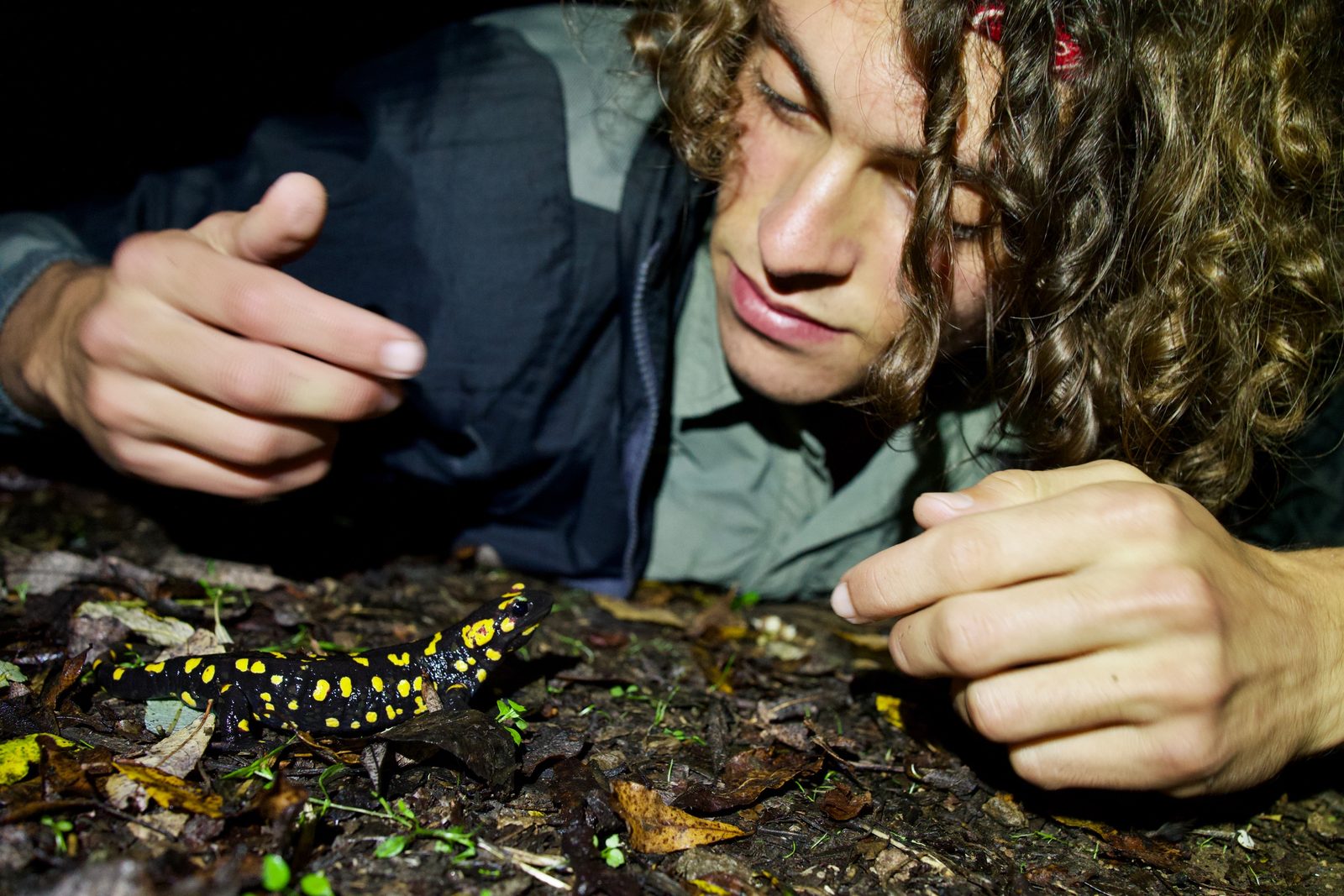
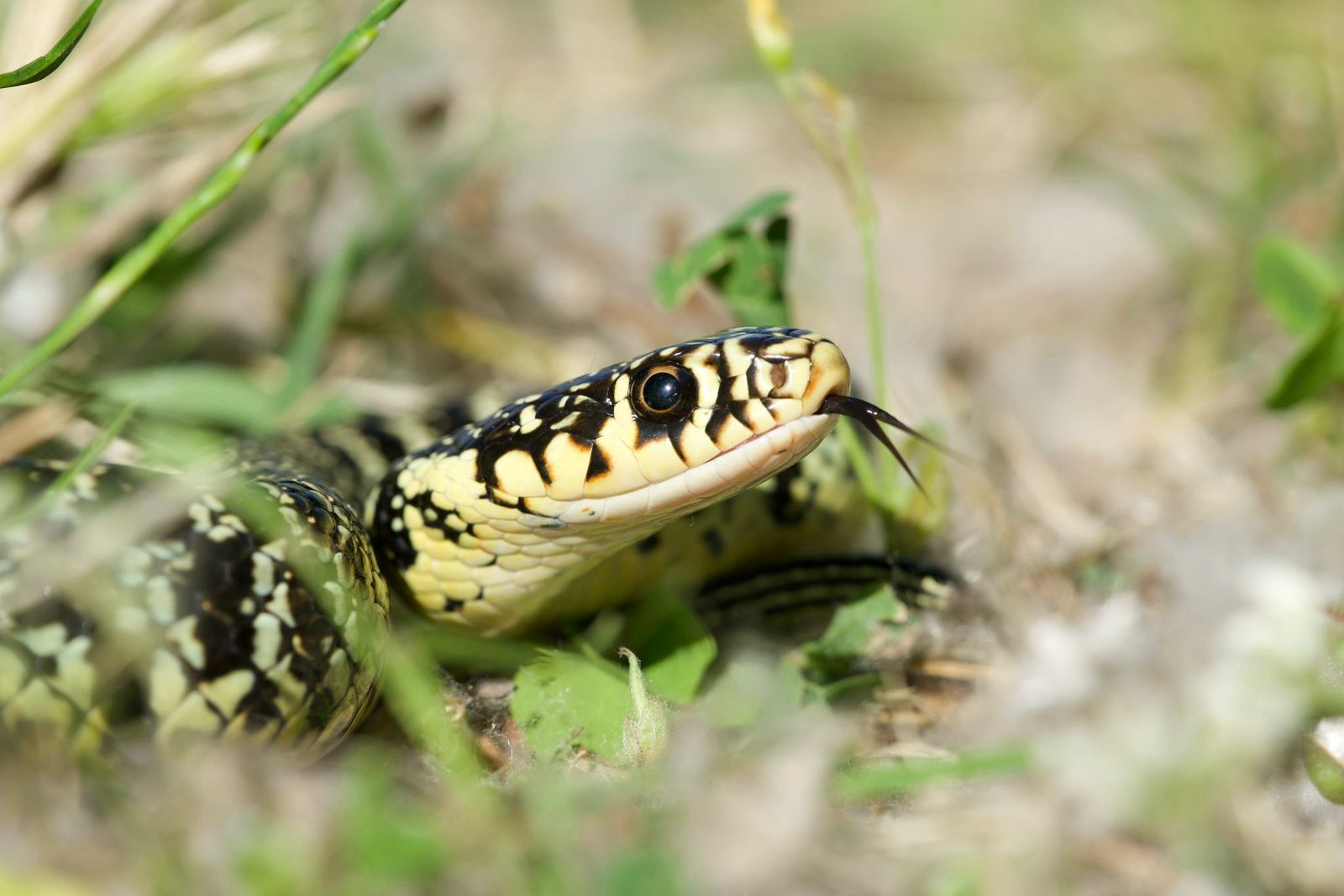
Then I walked into a rainforest in Costa Rica and that settled it. A Neotropical forest at night is not like anything else on earth, and most of what I have done since has been about getting back into one.
In practice that has meant seven years of trips I put together myself, to places I picked because something lived there that I wanted to see. Costa Rica. Ecuador, at Tiputini and Canandé. Borneo, from the caves at Mulu to Danum Valley. Thailand, Raja Ampat, Kenya. I worked out where to go, which lodge sat close enough to the right patch of forest, and what to do at eleven at night when the road turned out to be a river. That last part is most of the job, and the part people underestimate when they picture a guide.
The rest is patience. I am not a fast guide and I am not trying to be. If you want a long species list, other people will get you one. If you want to stand in front of a palm pitviper where it chose to sit, with the light right and time to actually look at it, that is what I am for.
Not only snakes
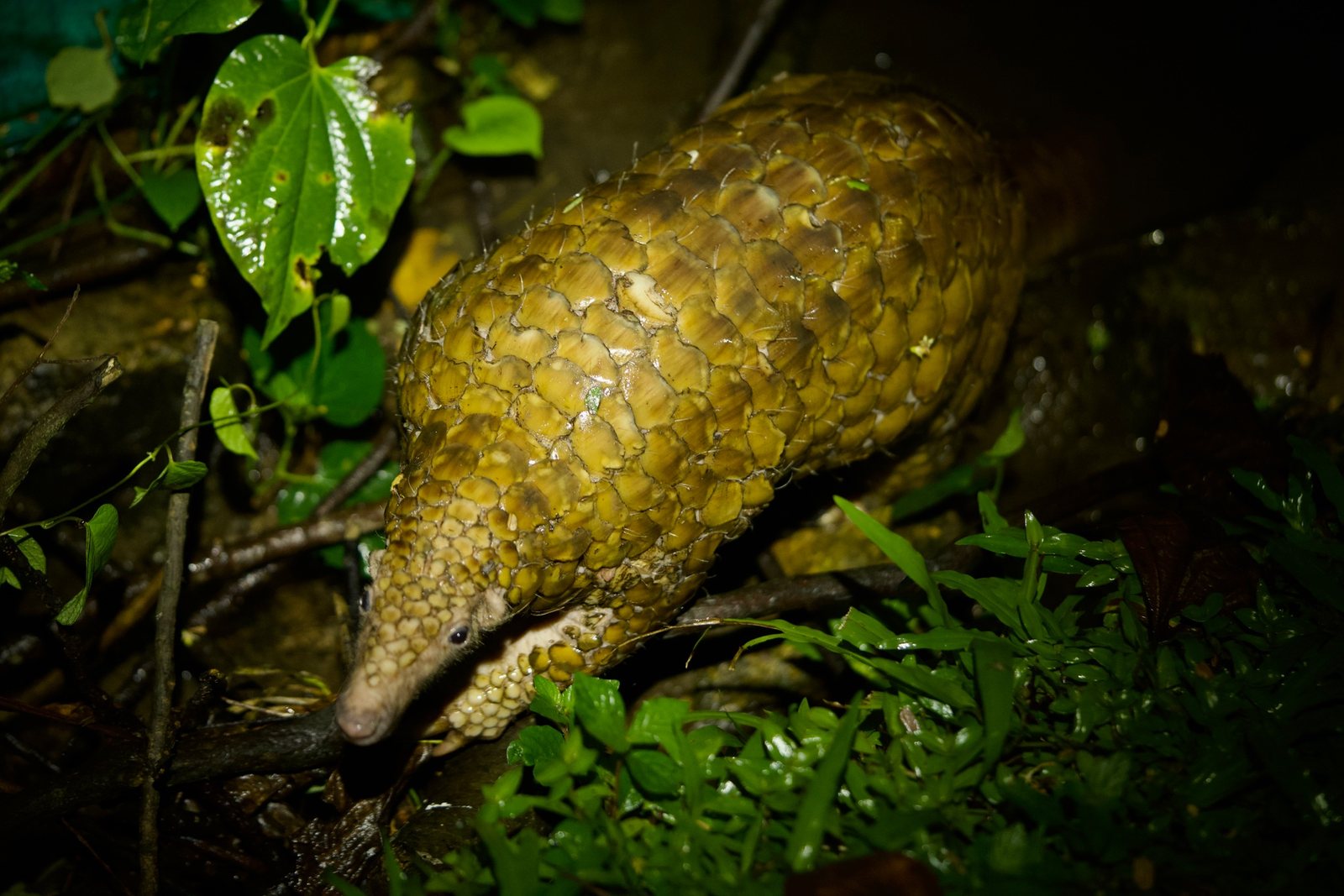
Reptiles and amphibians are what I chase hardest, but I would be a poor guide if they were all I knew. I identify birds and mammals to species in the field, and I have surveyed butterflies and bats, run camera traps and point counts, and worked coral reefs and mangroves as well as rainforest. Five biogeographic realms so far, which means that when you tell me what you came for, I can usually tell you what else will be standing next to it.
The paperwork
Biology degree from the University of Pisa and the Scuola Normale Superiore, 110/110 cum laude. The Normale takes a few dozen students a year across all subjects, by national competitive examination. I mention it because it is the reason I was taught to work from evidence and not from folklore, which is rarer in this line of work than it should be.
Then the Emily P. Foster Fellowship from the Organization for Tropical Studies, for a project on colour morphs in the palm pitviper Bothriechis nigroadspersus at La Selva, and their tropical biology course across La Selva, Las Cruces and Palo Verde. Separately I work on seabird movement data.
The fellowship project did not work, incidentally. The snakes were too thin on the ground that season to run the analysis I had planned. I would rather tell you that than not, because it is the truest thing I know about these animals: they are not where the books say they are, and anyone who promises you otherwise has not spent enough nights not finding them.
Trips run in English, Spanish or Italian. The last two are native.
The founding rate
These are my first seasons running trips under my own name, and I would rather say so than have you work it out. The fieldwork is not the new part: seven years of it, a research fellowship, five biogeographic realms. The invoice is the new part.
So until 31 May 2027 I drop my daily rate by about a quarter, and in exchange I ask for a review you mean and permission to use photographs. You get the lower price. I get the one thing no fellowship or species list can give me.
Tell me what you want to find
A shortlist of ten species is more useful to me than “snakes”. Planning costs nothing, and the more specific you are, the more useful my first reply will be.