Herping
This is the work I do best and have done longest. Night walks, stream surveys, road cruising, and the patience to go back to the same stretch a fourth time. Reptiles and amphibians are what I studied and what I have spent most of my field hours looking for.
How a herping trip runs
Fewer bases and more nights at each. Most tours chase a species list across as many sites as they can fit, which produces a long list and a lot of driving. I would rather learn which stream is producing this week and go back to it at the right hour.
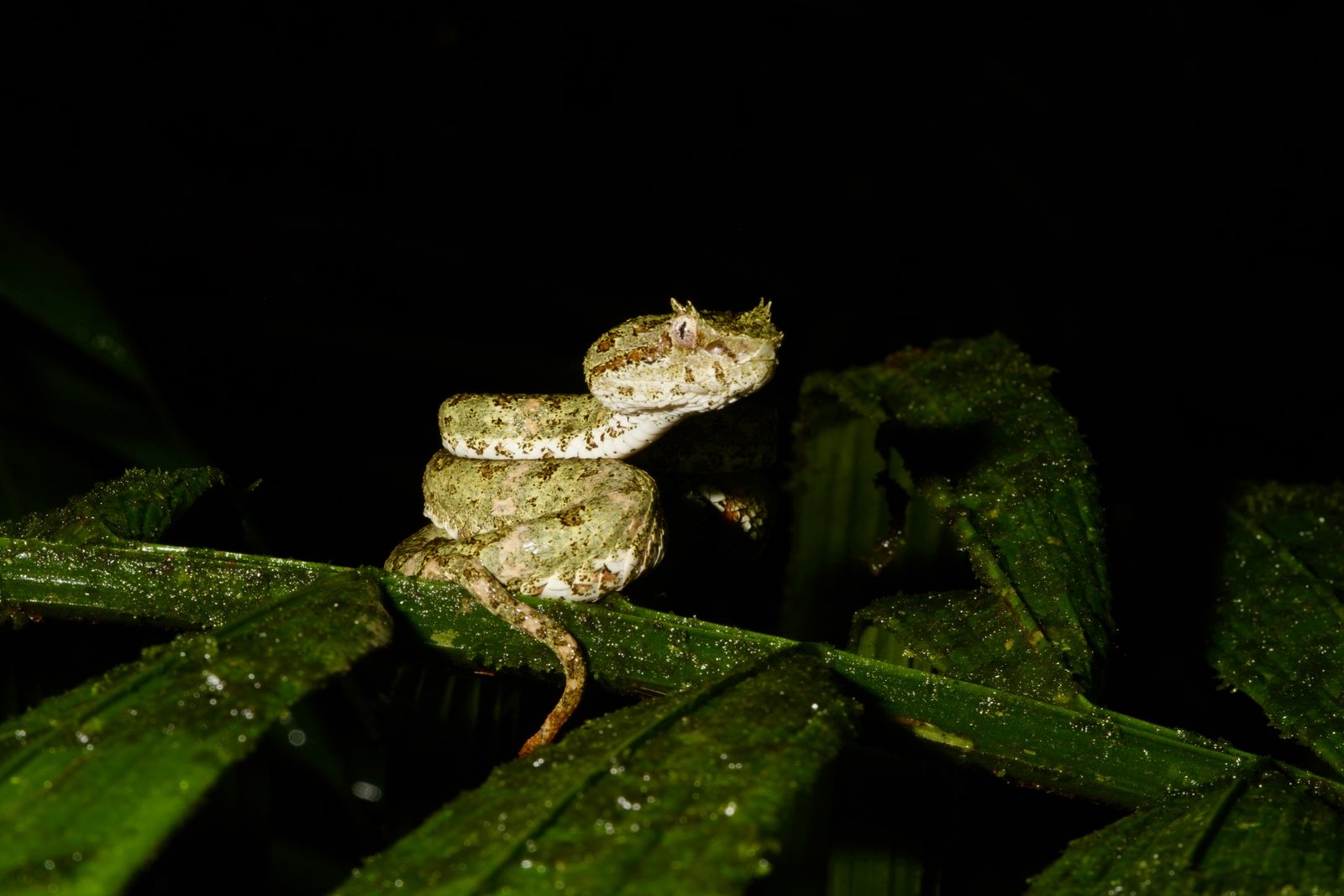
Nights are long. We are often out until one or two in the morning, and the pace accommodates photography, because a pitviper photographed properly is worth more than three glimpsed. Animals are photographed where they sit and nothing is collected; when something does need handling, I do it and you do not. The field ethics page sets out the rules in full.
Groups are two to six people. Past six, night work stops functioning.
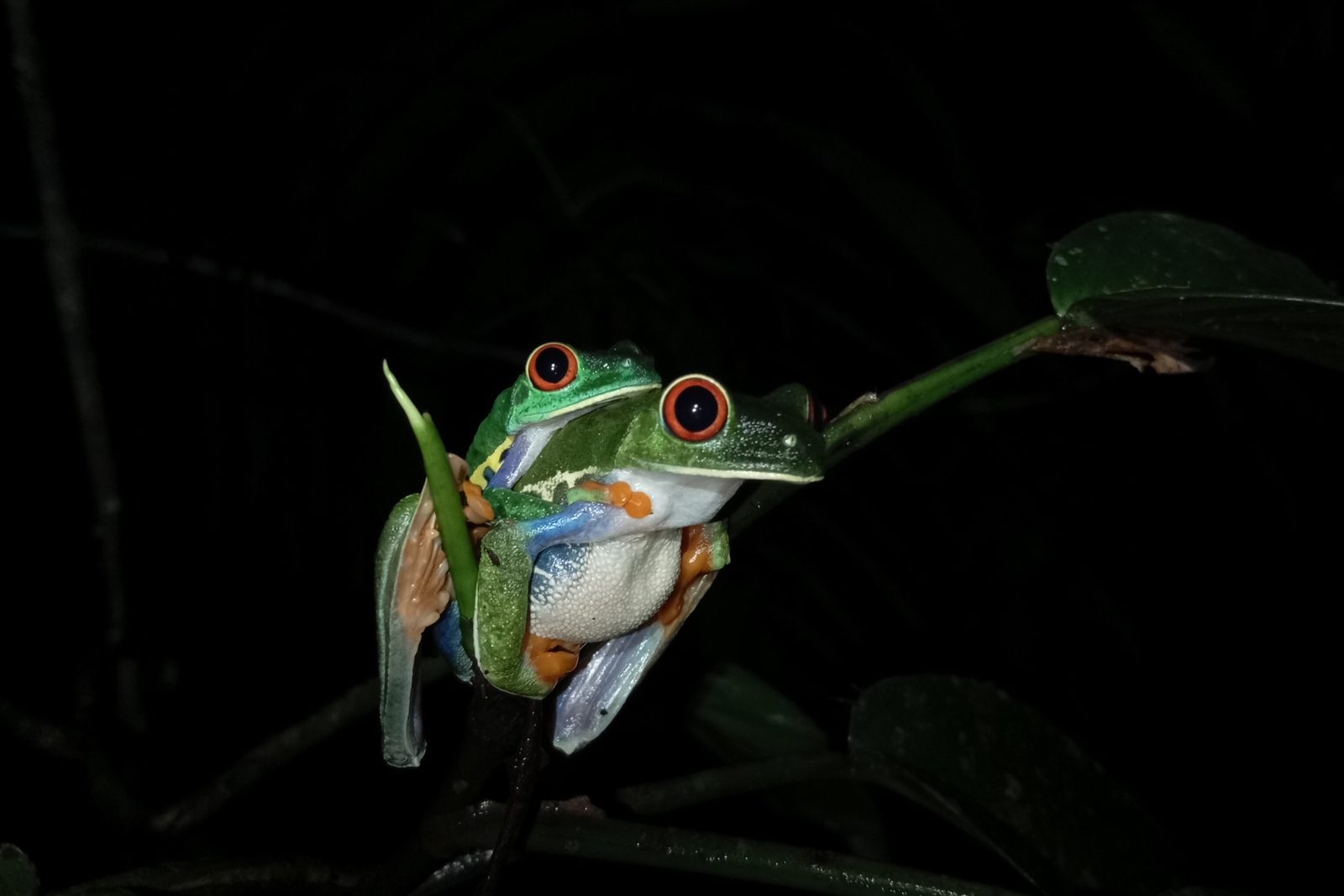
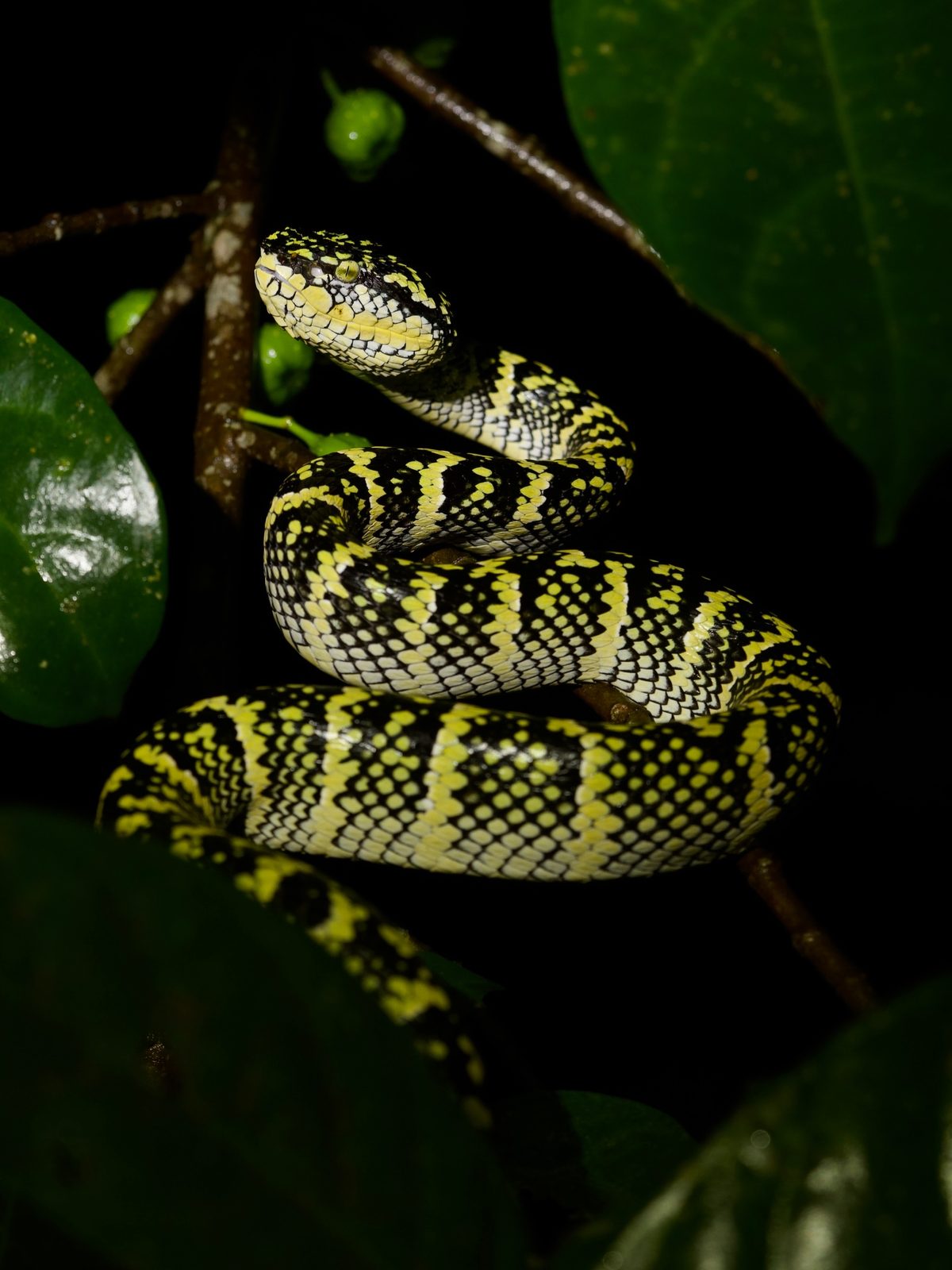 Tropidolaemus wagleri. These sit on the same perch for days, which is the whole argument for walking one trail four times instead of four trails once." loading="lazy" onerror="this.closest('figure').remove()">
How a trip is usually shaped
Nothing here is fixed. Every trip is built for the group that asks for it. But most of them climb, because that is what changes the herpetofauna, and they look something like this.
The core of most trips
Highest diversity and the densest night work. Stream surveys, forest trails, road cruising. Enough nights that one washed-out evening does not cost you the site.
Cooler, slower, different animals
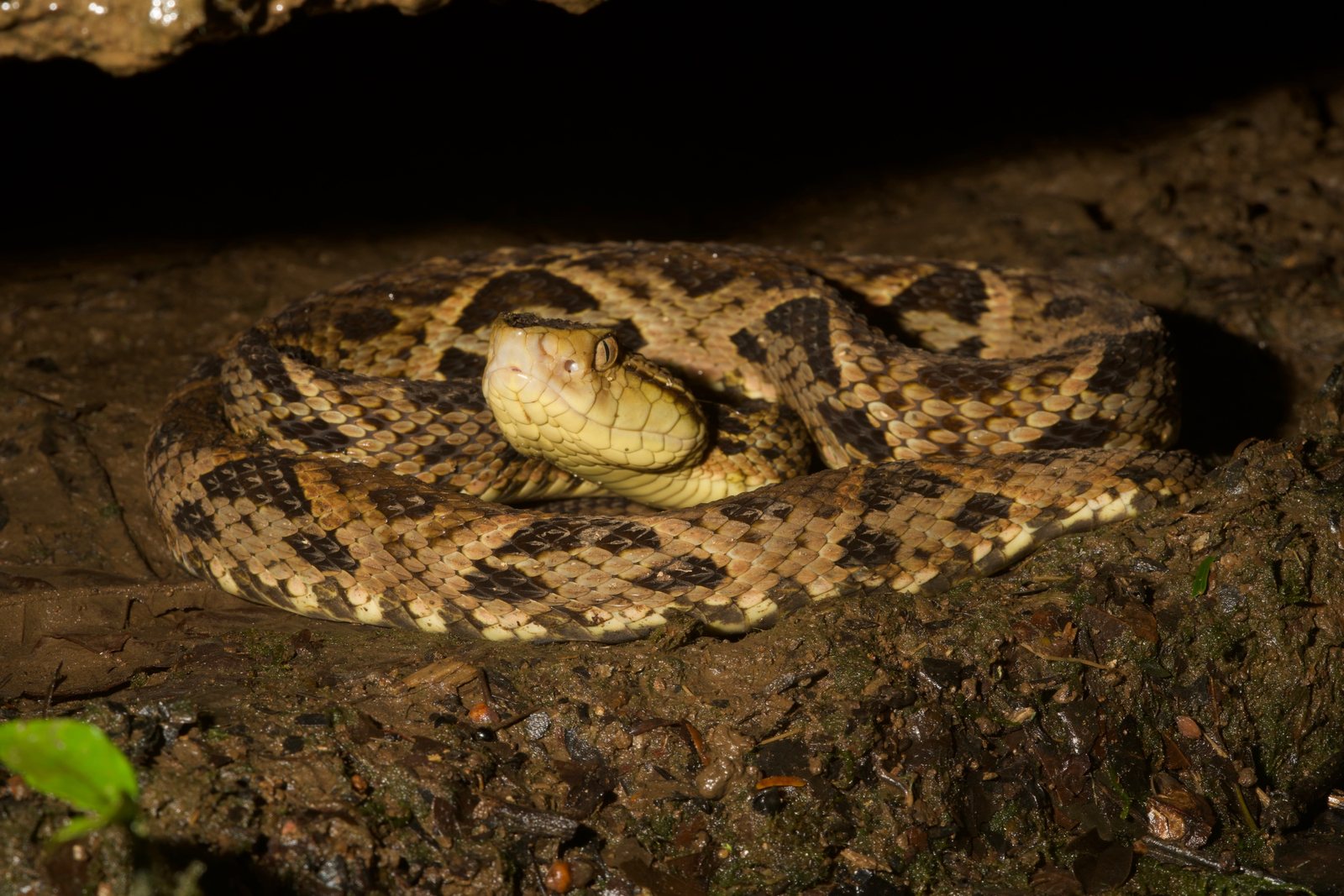
Fewer encounters per hour and a different cast: montane anurans, salamanders, and pitvipers that live nowhere lower down.
Where it gets hard
Cold, misty and unproductive by lowland standards, but holding species found nowhere else. Usually the last stop, and often near the airport.
Where that sits on a map is your decision. The same shape works in Costa Rica, Ecuador, Borneo or anywhere with mountains and a wet lowland, and I will tell you which sites inside it I know well enough to work properly.
So where do you want to go?
A herping expedition in Costa Rica, through four faunas inside a few hours’ drive. A night in the Amazon at Tiputini, or the Chocó on the other side of the Andes at Canandé. Gliding snakes and frogs in Borneo, with orangutans overhead while you look for them. A birdwatching tour in Malaysia or Thailand. Something in East Africa.
Those are the places I know from fieldwork rather than from a map, so they are the ones I can plan from memory. Anywhere else, ask anyway, on the understanding that a country I have not worked needs groundwork before I will run a trip in it, and I will tell you how long that takes rather than pretend.
Tell me what you want to find
A shortlist of ten species is more useful to me than “snakes”. Planning costs nothing, and the more specific you are, the more useful my first reply will be.