For researchers
If you are running fieldwork and need a pair of hands that already knows the taxa, the methods and how to keep a remote campaign moving, this is the other half of what I do. It is also the half I was trained for.
What I can take off your hands
Field assistance and surveys
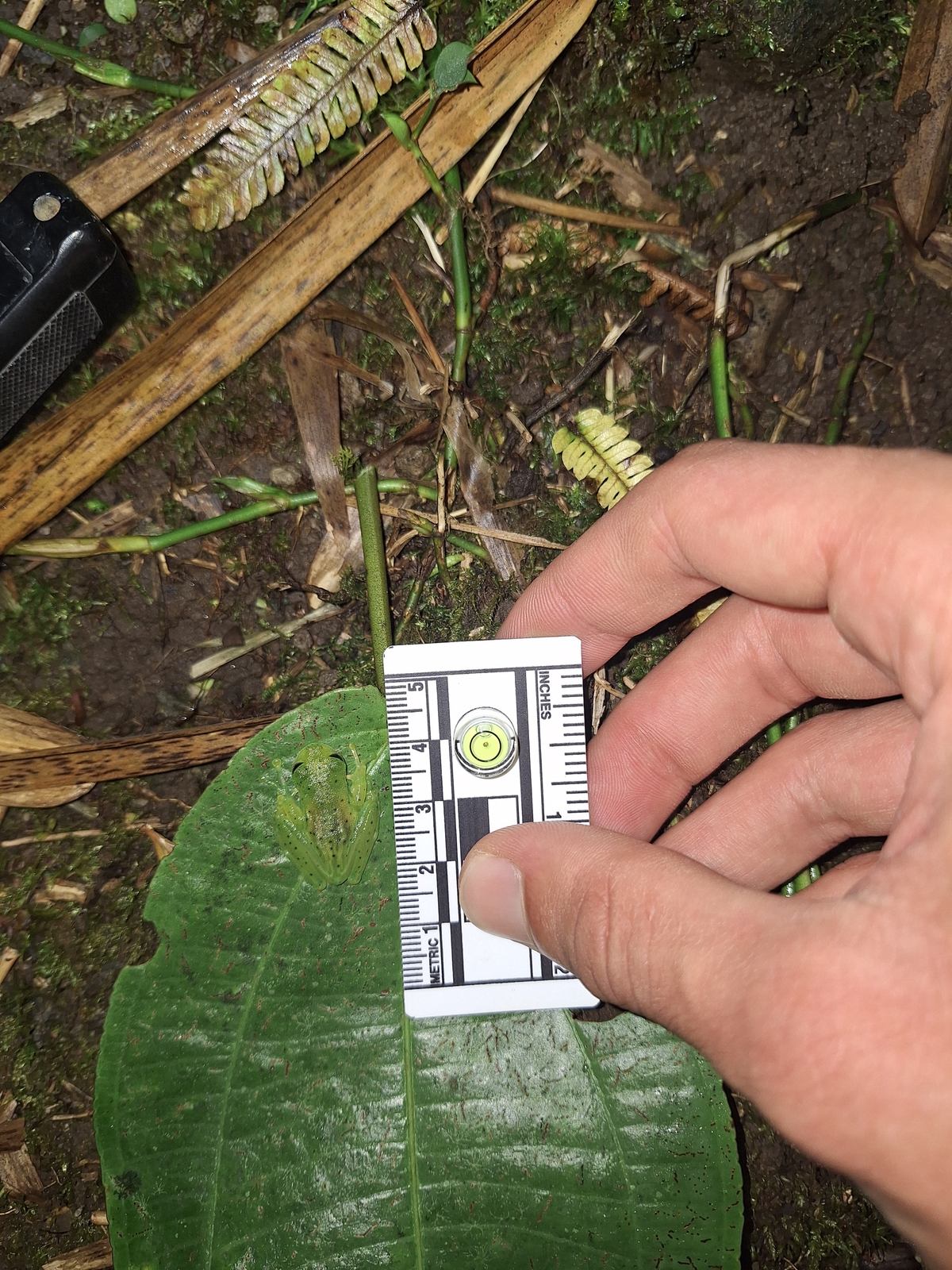
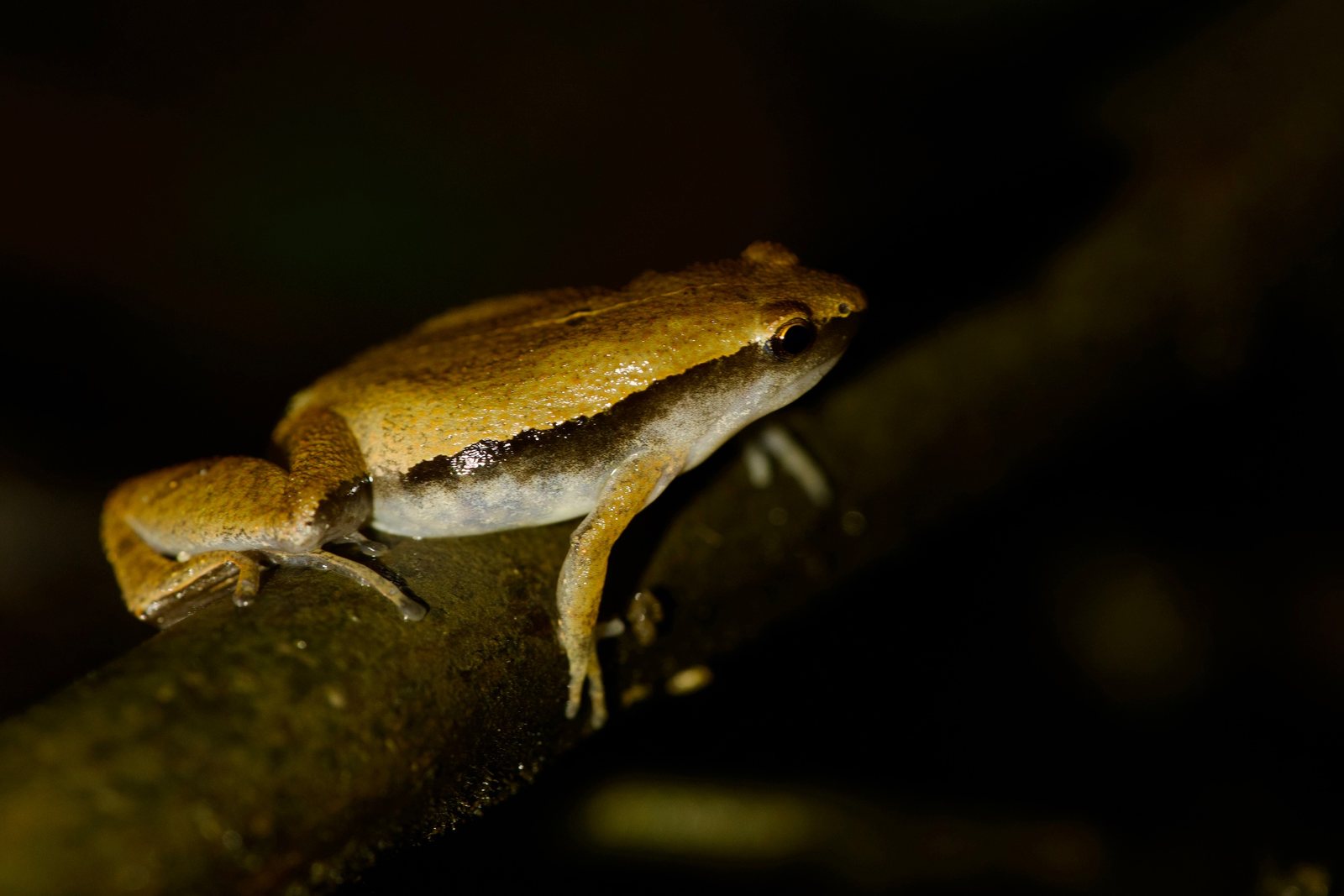
Nocturnal visual encounter surveys, transects, point counts, camera trapping, behavioural observation. I designed and ran a VES campaign myself, with sampling split across early and late night blocks and barometric pressure logged as a covariate, so I know why a protocol is written the way it is and will not quietly break it at two in the morning in the rain. Species-level identification of Neotropical reptiles and amphibians, solid general skills on birds, mammals and invertebrates, and clean data entry daily rather than at the end of the week.
Expedition logistics
Seven years of planning my own fieldwork in remote places: getting people and equipment to a site, finding accommodation within reach of the work, arranging vehicles and drivers, and improvising when the road has become a river. Spanish and Italian are native and my English is fluent, which in Latin America resolves most of what otherwise becomes a lost day. If your grant covers the science but nobody wants to spend three weeks arranging it, that is a job I am good at.
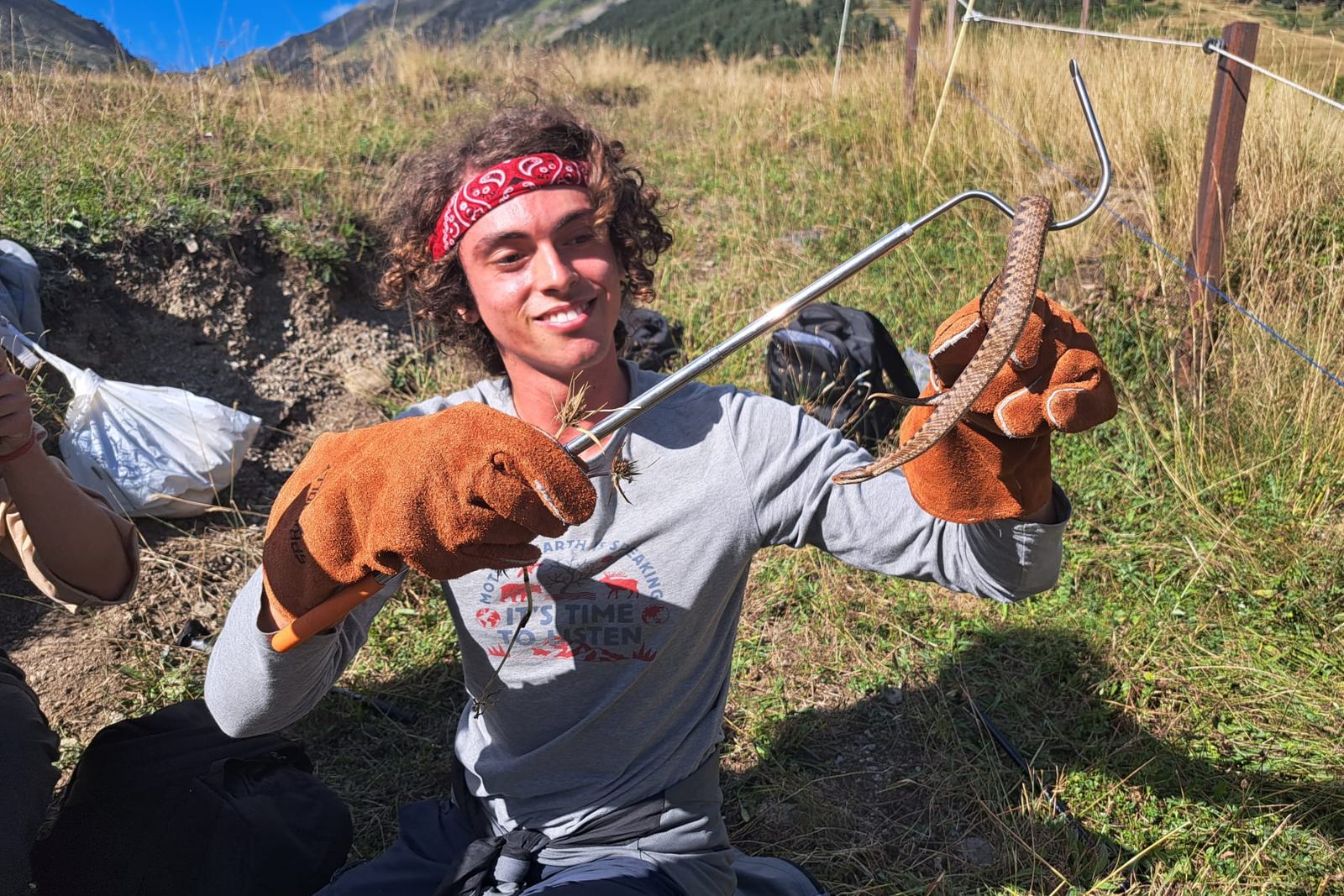
Capture, handling and processing happen on research projects, under permit and to your protocol. On a guided trip nothing is caught or kept, and any handling is mine rather than the group’s. The field ethics page sets out that line in full.
Movement and tracking data
Geolocator analysis end to end: twilight detection, calibration, position estimation with FLightR and SGAT, kernel utilisation distributions, GAM-based phenology. Built in R, then written again from scratch in Python because I wanted to understand it, not call it.
This one needs no fieldwork and no travel. If you have a drawer of loggers and nobody with time to process them, send me the data.
Documentation
Photography and video of the work and the animals, for reports, outreach or grant renewals. Most projects end up wanting images and very few plan for them.
Student groups and field courses
If you teach a field course and want it run somewhere specific, I can build and guide it: sites chosen for what you need to demonstrate, logistics handled, natural history explained as you go. I came through the OTS tropical biology course myself, across three stations. Teaching groups can go above the six I cap tourist trips at, depending on terrain.
What I am not
I am not a principal investigator and I will not write your analysis plan. I hold no research permits: those stay with you and your institution, and I work under them. For taxa outside my range I say so instead of guessing. Being clear now is cheaper for both of us than finding out in the field.
Cost
By arrangement, because the work is never the same twice. A three-week field campaign, a season of logistics, and a dataset to process are different jobs with different rates, and an institutional budget is a different conversation from a private one.
Tell me the project, the dates and roughly what the budget line looks like, and I will come back with a figure. If the budget is small and the work is interesting, say so. I have been on the other side of that email.
Tell me about the project
Dates, site, what the work involves and roughly what the budget line looks like. If it is a dataset rather than a field campaign, say what the loggers are and how many.